
Anxiety is an increasingly common issue, affecting millions worldwide. While various factors contribute to anxiety, lifestyle choices often play a significant role. Among these choices, the consumption of caffeine and nicotine stands out due to their widespread use and well-documented effects on the nervous system. Reducing – or, preferably, eliminating – these substances can alleviate anxiety symptoms and improve your well-being.
1. Caffeine's Role in Anxiety
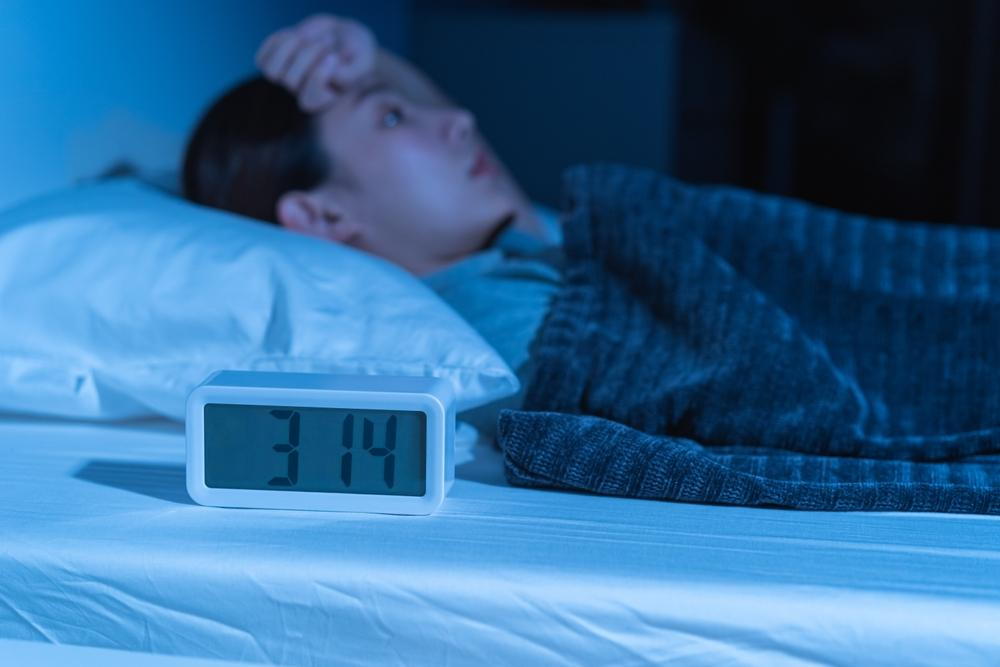
Caffeine is the most widely consumed psychoactive substance globally, primarily through coffee, tea, energy drinks, and certain medications. While it is valued for its ability to boost alertness and concentration, its impact on anxiety is less beneficial. Caffeine stimulates the central nervous system by blocking adenosine receptors, which increases the release of adrenaline. This "fight or flight" hormone prepares the body for a perceived threat, resulting in increased heart rate, blood pressure, and heightened senses. For individuals prone to anxiety, this physiological response can exacerbate symptoms, leading to feelings of nervousness, restlessness, and panic. Caffeine can also interfere with sleep, a critical factor in managing anxiety. Poor sleep quality and insomnia, often triggered by late-day caffeine consumption, create a vicious cycle where anxiety leads to poor sleep, which in turn heightens anxiety.
2. Nicotine's Impact on Anxiety
Nicotine, the primary addictive component of tobacco products, has a complex relationship with anxiety. Many smokers and users of nicotine products believe that nicotine helps them manage stress and anxiety. However, this effect is short-lived and quickly followed by withdrawal symptoms, which include increased anxiety, irritability, and cravings for more nicotine. The cyclical nature of nicotine use—where relief from anxiety is followed by withdrawal-induced anxiety—creates a dependency that can worsen anxiety over time. Additionally, chronic nicotine use can lead to long-term changes in brain chemistry, reducing the brain's ability to regulate mood and stress. Quitting nicotine can be challenging, but doing so allows the brain to restore its natural balance of neurotransmitters, reducing anxiety.
3. The Synergistic Effect of Caffeine and Nicotine
Many individuals consume caffeine and nicotine together, as both substances are often linked to routine activities such as smoking with coffee or tea breaks. However, the combination of these stimulants can have a synergistic effect, intensifying the physiological responses associated with anxiety. Caffeine amplifies the stimulating effects of nicotine, increasing heart rate and blood pressure, while nicotine enhances the anxiety-provoking effects of caffeine. This combination can lead to a heightened state of arousal and increased susceptibility to anxiety attacks. Reducing or eliminating both substances can help break this cycle, leading to a calmer, more stable nervous system.
4. Steps to Reduce Caffeine and Nicotine
Reducing caffeine and nicotine intake requires a thoughtful approach, as sudden cessation can lead to withdrawal symptoms, including headaches, irritability, and increased anxiety. Gradually reducing consumption allows the body to adjust more comfortably. For caffeine, switching to decaffeinated beverages or herbal teas can provide a satisfying alternative. For nicotine, nicotine replacement therapies, such as patches or gum, can ease the transition away from tobacco. Additionally, incorporating relaxation techniques, such as deep breathing, meditation, and regular exercise, can support the reduction process by naturally calming the nervous system and promoting a sense of well-being.